


A liver transplant is a major turning point, but the surgery is only the first part of the journey. What happens after you go home matters just as much. Regular liver transplant follow-up helps your doctor protect the new liver, adjust your medicines, catch problems early and keep you healthy for years.
This guide explains, in simple words, what post liver transplant care usually includes: how often you will visit, which transplant monitoring tests you will need, why immunosuppressant medicines are so important, what to eat, and which warning signs need urgent attention.
Why is follow-up so important after a liver transplant?
Your body’s defence system (immune system) sees the new liver as “foreign” and may try to attack it. This is called rejection. To prevent it, you take medicines that calm the immune system. These medicines work well, but they also need careful monitoring, because the dose that protects the liver without causing side effects is different for every person and can change over time.
Regular follow-up allows your doctor to:
- Check that the new liver is working well.
- Look for early signs of rejection or infection.
- Keep medicine levels in the safe range.
- Watch for side effects on the kidneys, sugar, blood pressure and bones.
- Make sure the original liver disease does not come back.
- Support your diet, vaccination, fitness and daily life.
How often will you need to visit?
The schedule depends on your hospital protocol and how you are recovering, but in general:
- First few weeks: very frequent visits, often once or twice a week, with blood tests each time.
- First few months: visits become less frequent, often every few weeks.
- Later in the first year: roughly every 1 to 3 months.
- After the first year: usually every few months, and then at least once or twice a year if everything is stable.
Never wait for the next appointment if you feel unwell. Extra visits are always better than a missed problem.
Tests you may need during follow-up
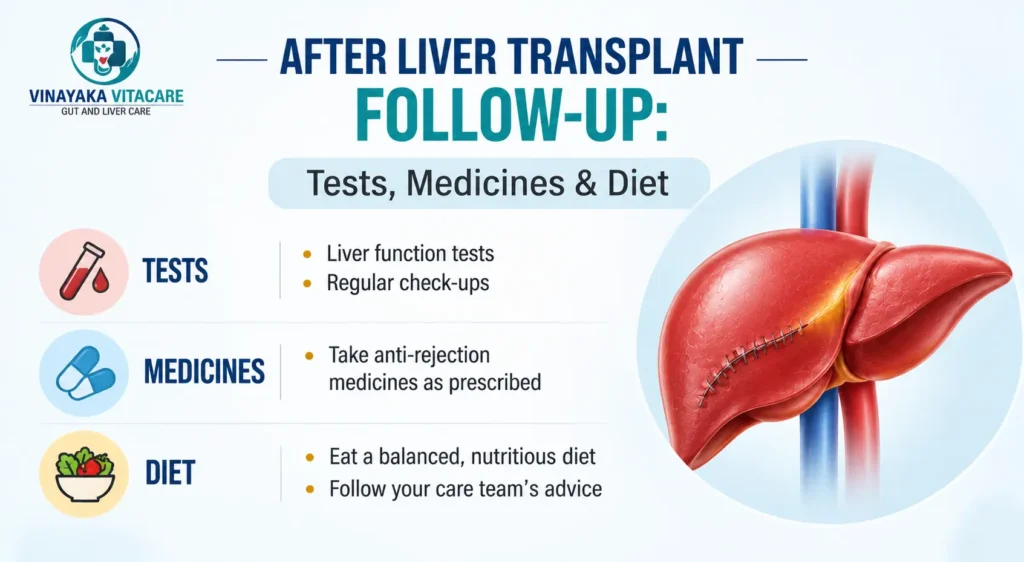
Your doctor will choose the transplant monitoring tests based on how long ago your transplant was and how you are doing. Common ones include:
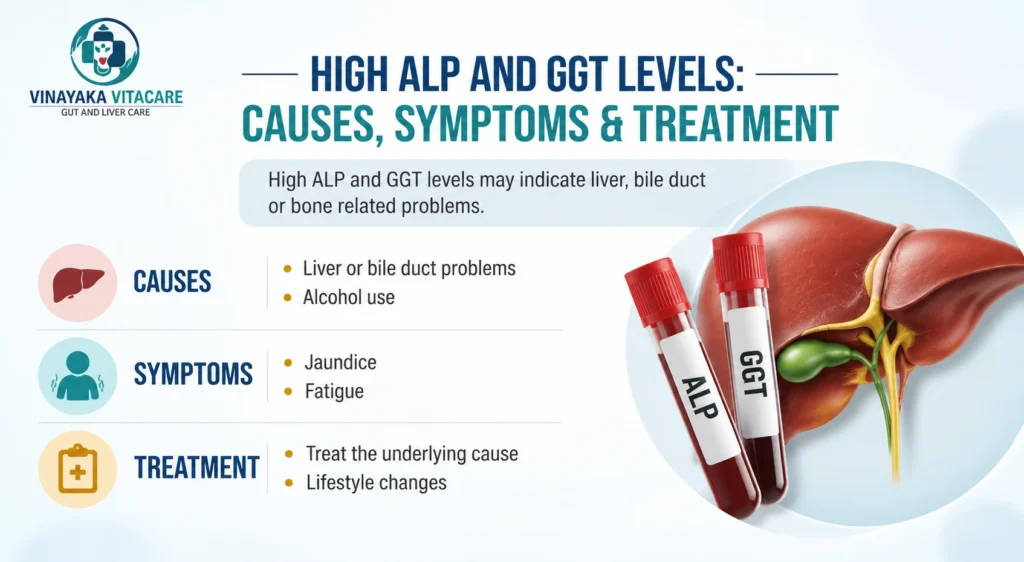
- Liver function tests: bilirubin, SGPT, SGOT, ALP and GGT show how well the new liver is working. If you see a raised ALP or GGT in your report, you can read what these numbers can mean in our guide on high ALP and GGT levels.
- Immunosuppressant drug level: a blood test, usually done before the morning dose, to check that the amount of medicine in your blood is neither too low nor too high.
- Kidney function tests: creatinine and electrolytes, because some transplant medicines can strain the kidneys.
- Complete blood count: to look for low blood counts or signs of infection.
- Blood sugar and HbA1c: transplant medicines can raise sugar levels.
- Cholesterol and lipid profile: to protect your heart.
- Tests for infections, such as CMV or other viruses, when your doctor feels they are needed.
- Hepatitis markers, if hepatitis B or C was the original reason for your transplant.
- Ultrasound with Doppler: to check the blood flow in the liver’s vessels and the bile ducts.
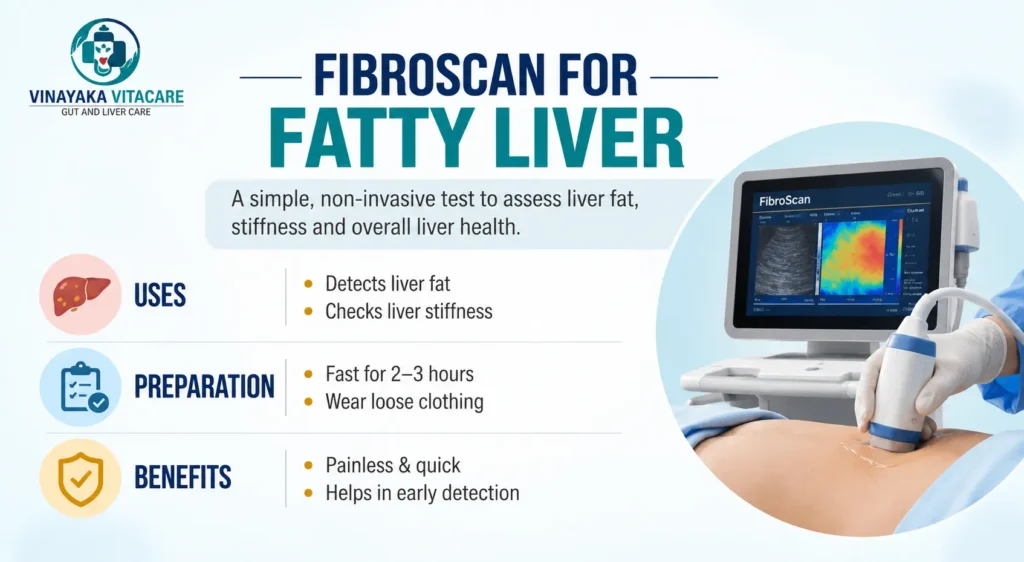
- FibroScan: to check the liver’s fat and stiffness over time.
- Liver biopsy: only when rejection or another cause of damage is suspected and the blood tests are not enough.
- Bone density scan, skin check and routine cancer screening: done at suitable intervals, because long-term immune suppression slightly increases some risks.
Immunosuppressant medicines: what you must know
Immunosuppressant medicines are the most important part of your care. Your doctor may use a combination of medicines, such as tacrolimus, mycophenolate, a steroid, or sometimes everolimus. The exact combination and dose are chosen only for you and may change as time passes.
Some key rules:
- Never skip, stop or change a dose on your own, even if you feel perfectly well.
- Take them at the same time every day, using an alarm or pill box.
- If you vomit or have severe diarrhoea, call your transplant team the same day, because the medicine may not have been absorbed.
- If you miss a dose, follow your doctor’s instructions and do not double the next dose unless told to.
- Check before taking any new medicine. Many common medicines can change transplant drug levels, including some antibiotics, antifungals, and certain painkillers such as NSAIDs.
- Avoid herbal products, “liver tonics” and home remedies unless your transplant doctor approves them. Some can harm the new liver or change drug levels.
- Keep a stock of medicines so that you never run out, and carry your prescription when you travel.
Possible side effects can include tremors, high blood pressure, high sugar, kidney problems, weight gain, bone thinning and a higher chance of infections. These are the reasons why regular tests and visits are needed.
Diet after a liver transplant
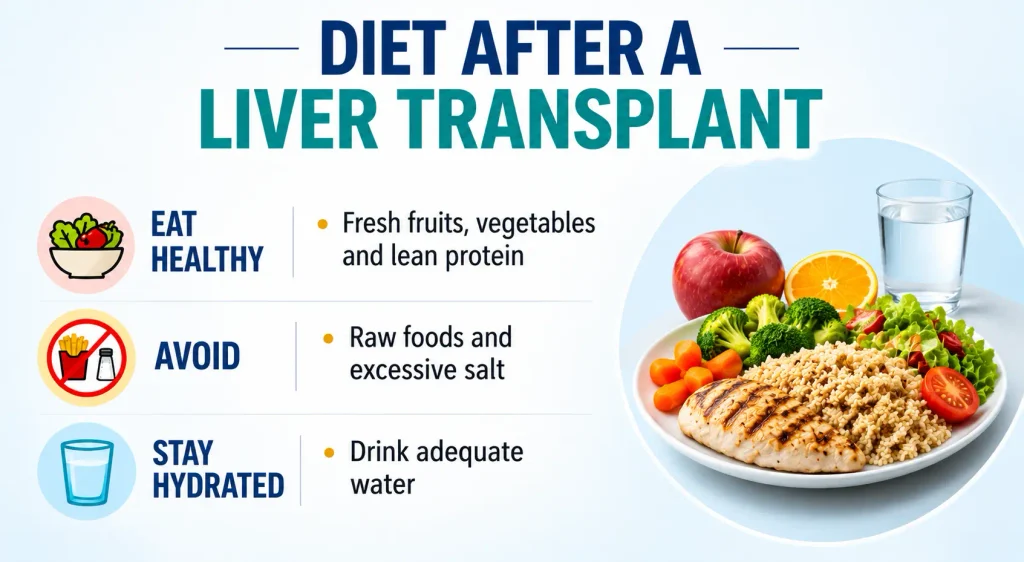
There is no single “transplant diet” for everyone, and your needs will change from the early recovery period to the long term. In general, a balanced diet helps healing and protects you from side effects.
What to focus on
- Enough protein, such as dal, eggs, fish, chicken, paneer and curd, to rebuild strength and muscle.
- Plenty of cooked vegetables, fruits and whole grains, for energy and fibre.
- Less salt, to help control blood pressure and swelling.
- Less sugar and fried food, to help control sugar, cholesterol and weight.
- Enough clean water, unless your doctor has asked you to limit fluids.
Food safety is especially important because your immunity is lower:
- Eat freshly cooked food and avoid stale or reheated leftovers.
- Wash fruits and vegetables well, or peel them.
- Avoid raw or undercooked meat, fish and eggs.
- Avoid unpasteurised milk and street food, especially in the early months.
- Drink only clean, safe water.
What to avoid
- Alcohol, which can damage the new liver. Most transplant teams advise complete avoidance.
- Grapefruit, pomelo (batabi lemon) and their juices, as they can change the level of some transplant medicines. Ask your doctor about any other fruit or supplement you are unsure of.
- Herbal or protein supplements that your team has not approved.
Ask your doctor or dietitian for a plan that fits your own sugar, kidney function and weight.
Daily life and long-term health
- Stay active. Start with short walks and slowly increase as your doctor allows. Exercise helps your weight, sugar, bones and mood.
- Protect your skin. Use sunscreen and cover up outdoors, because immune-lowering medicines raise the risk of skin problems.
- Practise good hygiene. Wash hands often and avoid close contact with people who have infections, especially in the early months.
- Ask about vaccines. Vaccines made from killed or inactivated germs are often recommended, but live vaccines are usually avoided. Check with your doctor before any vaccine.
- Look after your mind. Feeling anxious, low or overwhelmed after a transplant is common. Talk to your doctor or family if it continues.
- Plan major life decisions with your doctor, such as pregnancy, travel or returning to work.
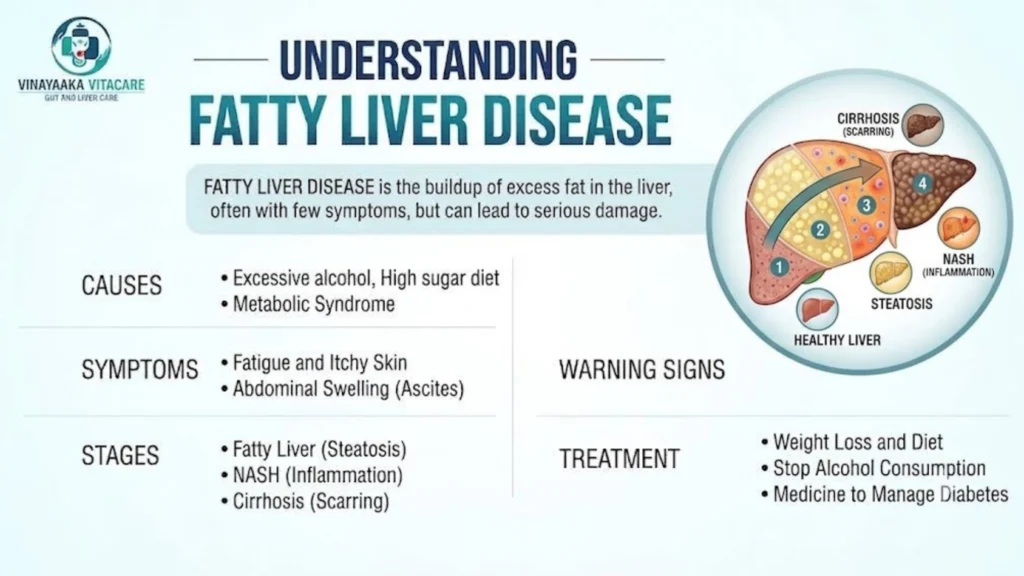
- Manage other health conditions, such as sugar, blood pressure, cholesterol and weight. This also helps prevent fatty liver disease from developing in the new liver.
Warning signs: when to call your doctor immediately
Contact your transplant team or go to the emergency department if you notice:
- Fever, chills or a burning feeling while passing urine
- Yellow eyes or skin
- Dark urine or pale stools
- Pain, tenderness or swelling near the transplant wound or the upper right abdomen
- Swelling in the legs or belly, or sudden weight gain
- Reduced urine output
- Repeated vomiting or diarrhoea
- Unusual tiredness, loss of appetite or itching
- Breathlessness, a cough that does not go away, or a new skin lesion
- Missed medicines for any reason
When should you see a liver specialist for follow-up?
If you have had a liver transplant, you should be reviewed by an experienced hepatology team on a regular schedule. If you are looking for a liver transplant follow-up consultation, a liver specialist in Cuttack can review your reports, check your medicines and plan your tests. You can book an appointment and bring your discharge summary, all transplant reports and the complete list of your medicines.
Key takeaways
- Liver transplant follow-up is lifelong, with frequent visits at first and fewer later.
- Regular tests check liver function, medicine levels, kidneys, sugar and infections.
- Immunosuppressant medicines must never be skipped or changed without medical advice.
- A balanced, safely prepared diet, no alcohol and care with grapefruit and supplements are important.
- Fever, jaundice, pain, swelling or missed medicines need urgent medical attention.
This article is for general education only and is not a substitute for a medical consultation. Please consult your transplant doctor for advice about your own care.
Frequently asked questions
How long do I need follow-up after a liver transplant?
Follow-up is lifelong. The visits become less frequent as time passes, but regular checks are needed to protect the new liver.
Do I have to take immunosuppressant medicines for life?
Most patients need some form of immunosuppression for life, although the number of medicines and the doses are often reduced over time. Never reduce them without medical advice.
Can a transplanted liver be rejected?
Yes, rejection can happen, most often in the first months, but it can also occur later. It is usually treatable if found early, which is why regular tests matter.
Can I eat normally after a liver transplant?
Mostly yes, with a balanced, home-cooked diet and good food safety. Avoid alcohol, grapefruit and unapproved supplements.
Can I drink alcohol after a transplant?
Doctors generally advise complete avoidance, as alcohol can damage the new liver and interfere with recovery.
Can the original liver disease come back?
In some conditions, such as hepatitis B, hepatitis C or fatty liver, it can. Regular monitoring and treatment help prevent this.
Can I get pregnant or father a child after a transplant?
Many people can, but timing and medicine changes need careful planning. Please discuss this with your transplant doctor first.
What if I miss a dose?
Call your transplant team and follow their advice. Do not double the next dose on your own.